Reaction & separation
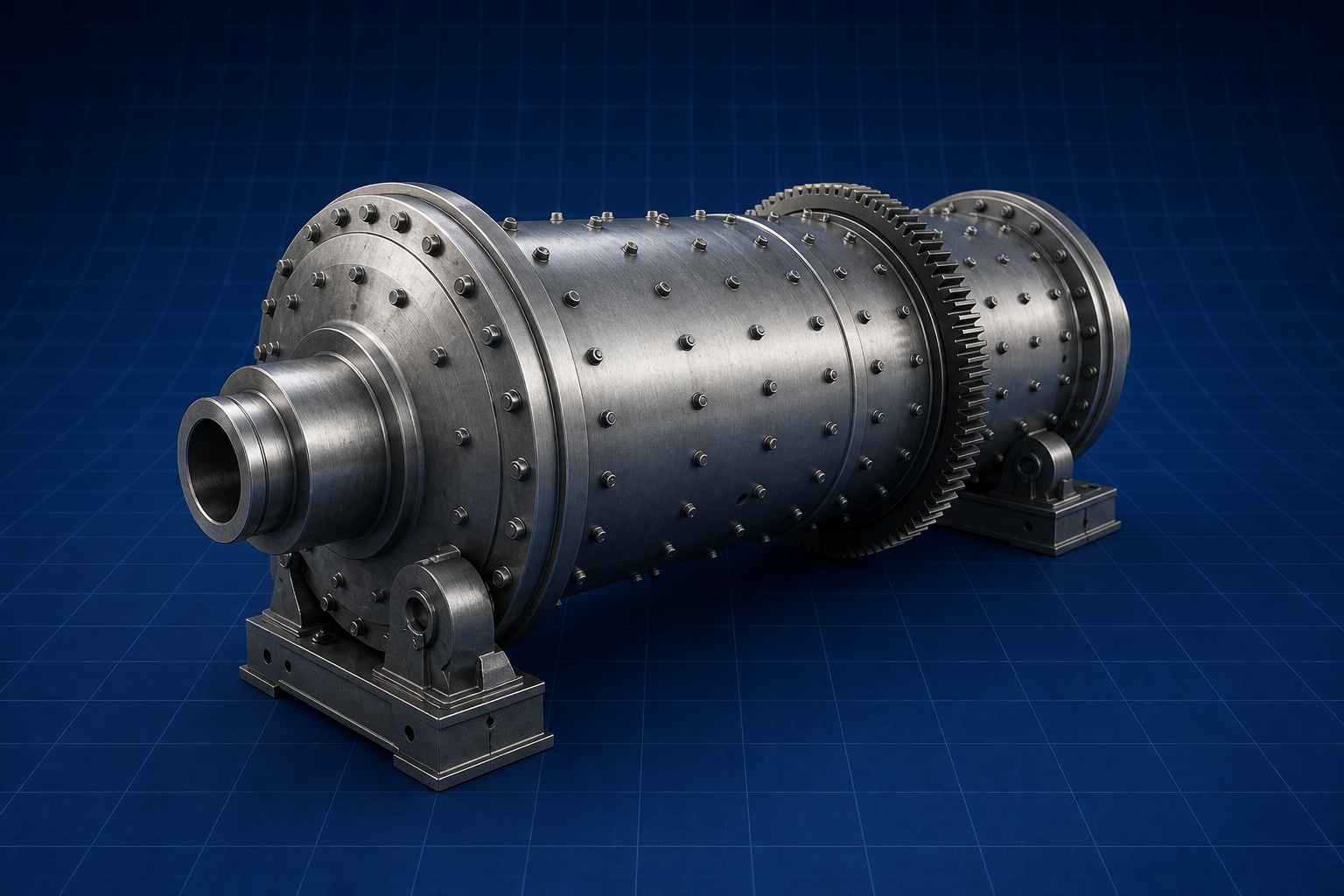
Mechanical Operations
- 5TopicsTopics
- 15FormulasFormulas
- 10ExamplesWorked Examples
- 0InterviewInterview Qs
- 0GATEGATE Qs
Exam Ready
GATE + university drills
Interview Ready
0 practice prompts
Industry Relevant
Design Engineer
Concept to Design
Formulas → sizing
Learning Roadmap
Structured learning path to build your engineering fundamentals.
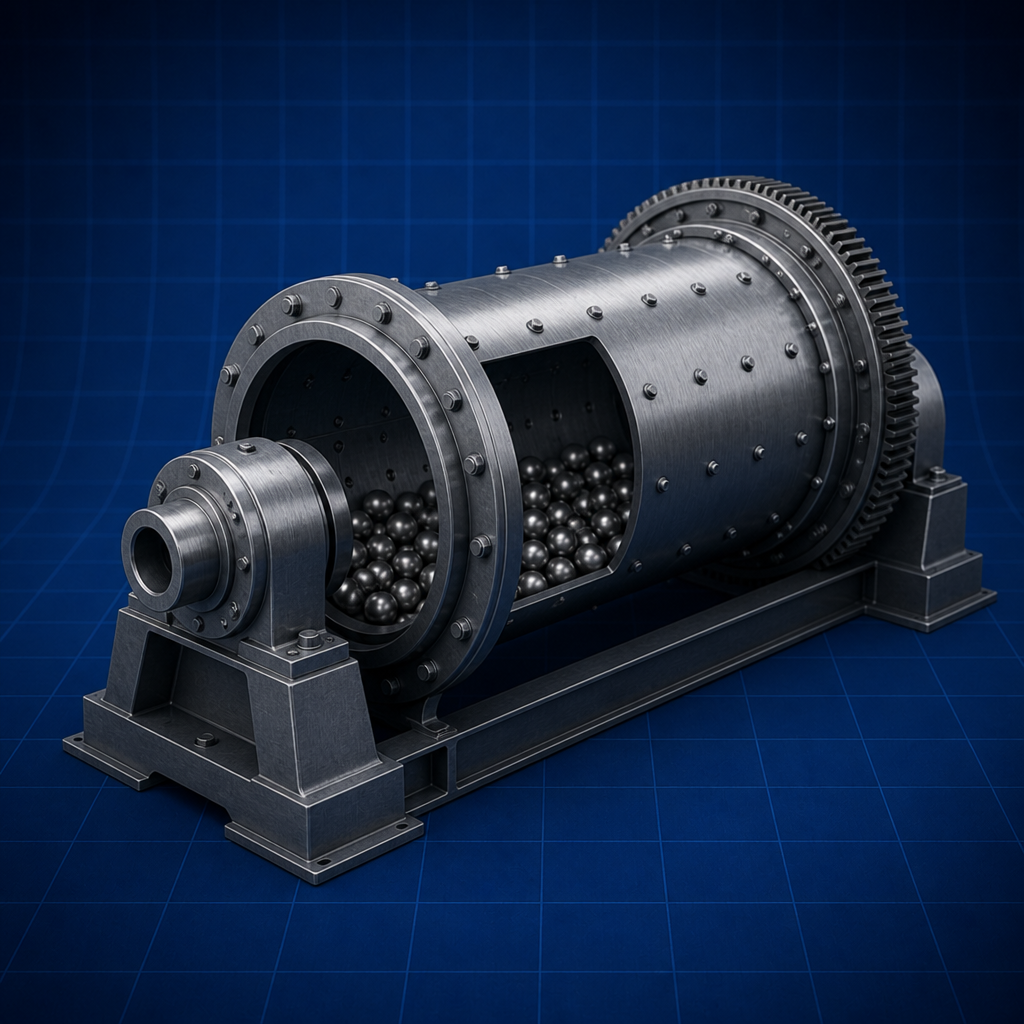
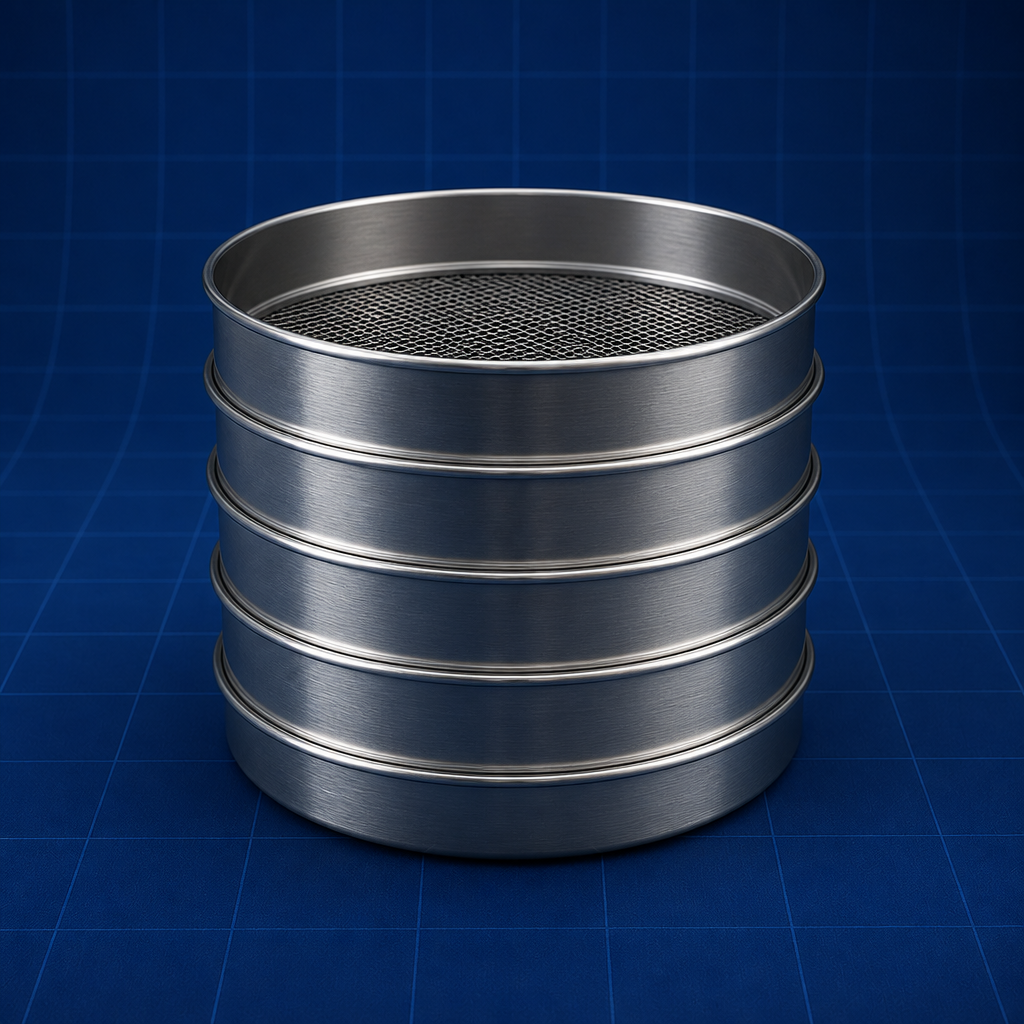
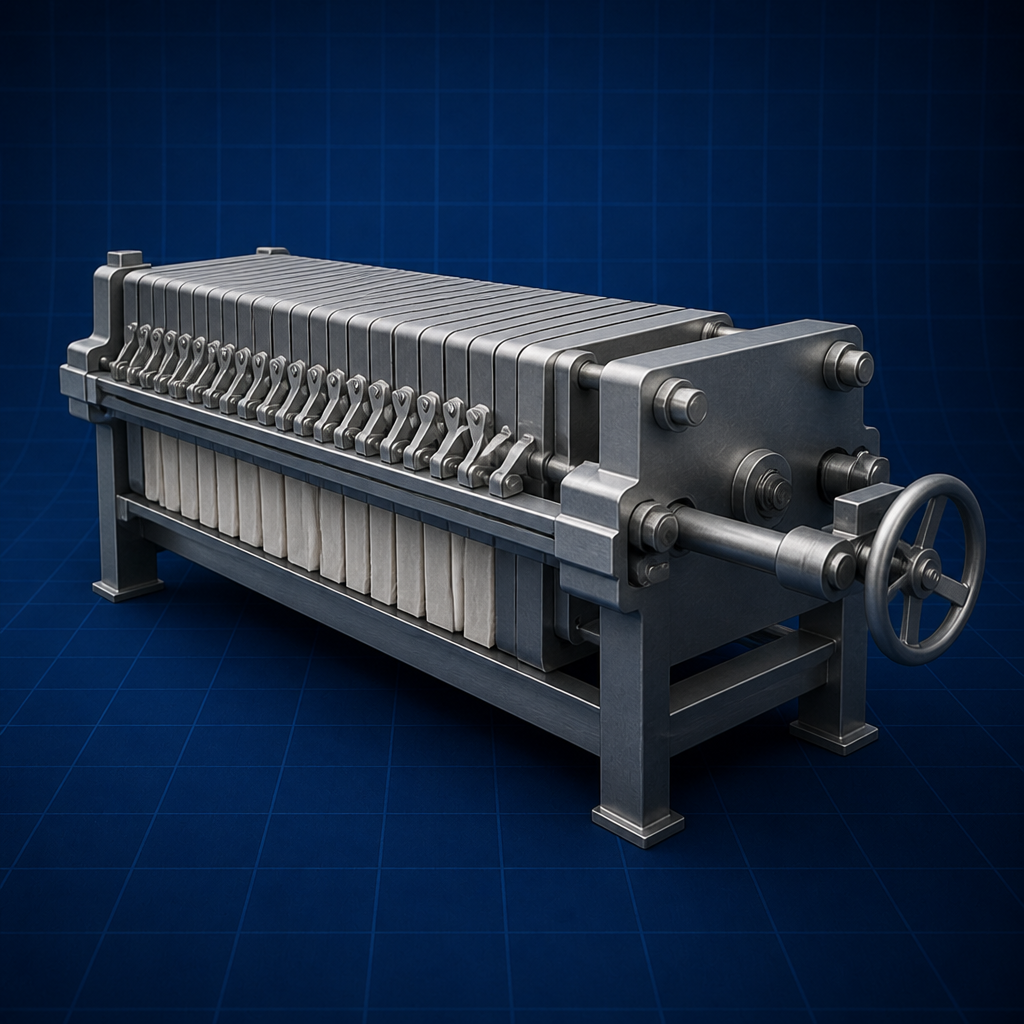
Showing 5 of 5 topics
Most Important Topics
Based on GATE & Interview trends
Industry Applications
Where Mechanical Operations is used
- Design checksCore engineering calculations
- Plant workTroubleshooting on site
- InterviewsGATE / campus rounds
- Product teamsDay-to-day engineering use
Your Progress Overview
- 0 Completed
- 0 In Progress
- 5 Not Started
Which job uses this?
Roles that apply Mechanical Operations
- Design Engineer
- Application Engineer
- Graduate Engineer Trainee